Why Kids Room Design Matters More Than Just Decoration
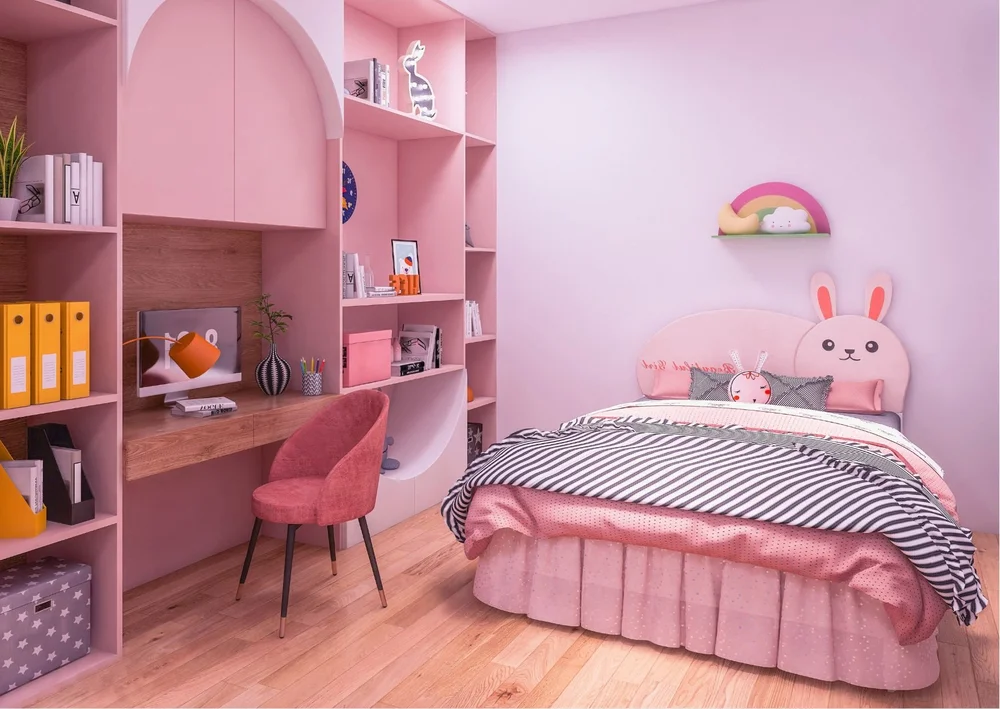
Great Kids Room Design Ideas go far beyond choosing colors or cute decor—they shape how a child lives, learns, and feels every day. A thoughtfully planned space blends function, comfort, creativity, and longevity to support a child’s routine while adapting to their growth. Whether you’re exploring Children’s Room Design, refining a Kids Bedroom Design, or investing in Interior Design For Kids Room, the goal is to create an environment that feels both inspiring and practical. The best children’s rooms are not overcrowded with trends, but instead designed with intention—balancing open space, smart storage, and personality-driven details. When done right, a kid’s room becomes a place where imagination thrives, routines feel easier, and independence naturally develops.
A Kids Room Should Support Sleep, Play, Learning, and Growth
A well-designed kids room supports every part of a child’s day—not just how it looks. It should provide a calm, comfortable area for sleep, open space for play, and thoughtful zones for reading or learning. Smart Kids Room Design Ideas also make organization easier, helping children keep track of their belongings and routines. When a space is designed around how kids actually live, it encourages independence and gives them a sense of ownership, making the room feel truly theirs.
Practicality and Personality Should Work Together
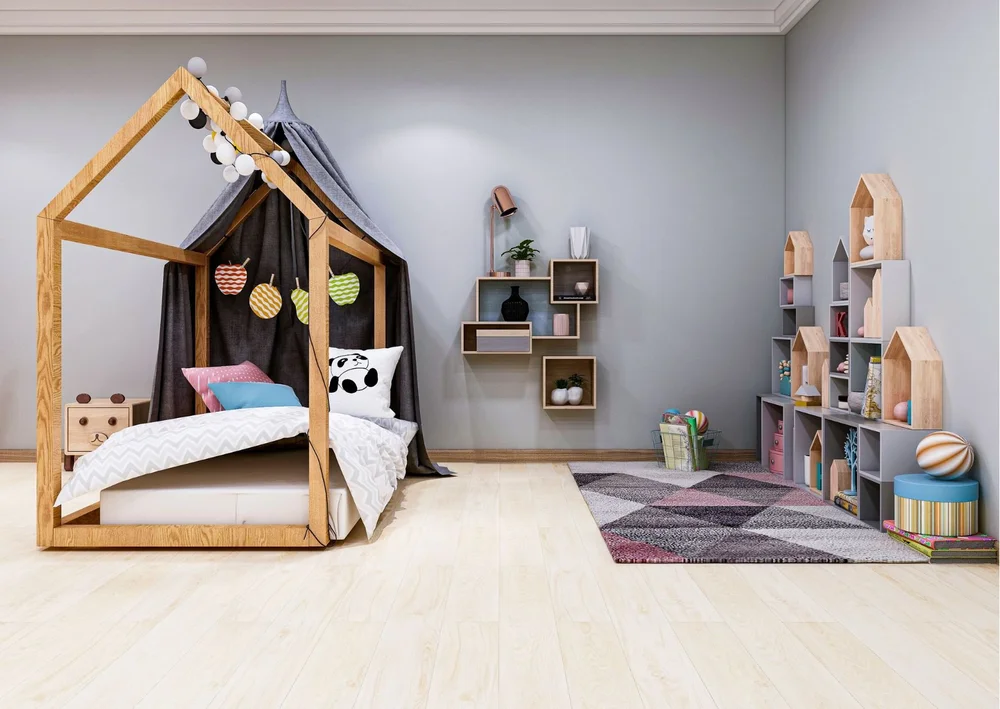
The most successful Children’s Room Design Ideas strike a balance between practicality and personality. While storage, layout, and durability are essential, the room should also reflect the child’s interests and creativity. Incorporating playful colors, textures, or themes without overwhelming the space ensures the design remains functional. Instead of choosing between style and usability, strong Kids Bedroom Design Ideas merge both—creating a room that feels expressive, organized, and easy to live in.
Design Choices Should Evolve With the Child
Smart Interior Design For Kids Room considers the future. Flexible furniture, neutral foundations, and easy-to-update decor allow the space to grow with the child. By layering in changeable elements like bedding, artwork, and accessories, you can refresh the room over time without starting from scratch.
Start With Function First: The Foundation of Great Kids Room Design
Before diving into colors, themes, or decor, the most effective Kids Room Design always begins with function. A well-designed space should first support how a child lives day-to-day—sleeping, playing, learning, and staying organized. Prioritizing these fundamentals ensures that any design choices layered on later actually enhance the room rather than overwhelm it. The best Design Ideas For Kids Rooms are rooted in intentional planning, where layout, furniture, and storage work together to create a space that feels open, usable, and adaptable. Especially in smaller rooms, focusing on function first prevents clutter, improves flow, and makes the space more enjoyable for both kids and parents. Strong Kids Space Design is not about filling a room with more—it’s about making smarter decisions with what truly matters. When the foundation is right, every decorative element that follows feels more cohesive, purposeful, and long-lasting.
Focus on the Essentials Before Adding Decor
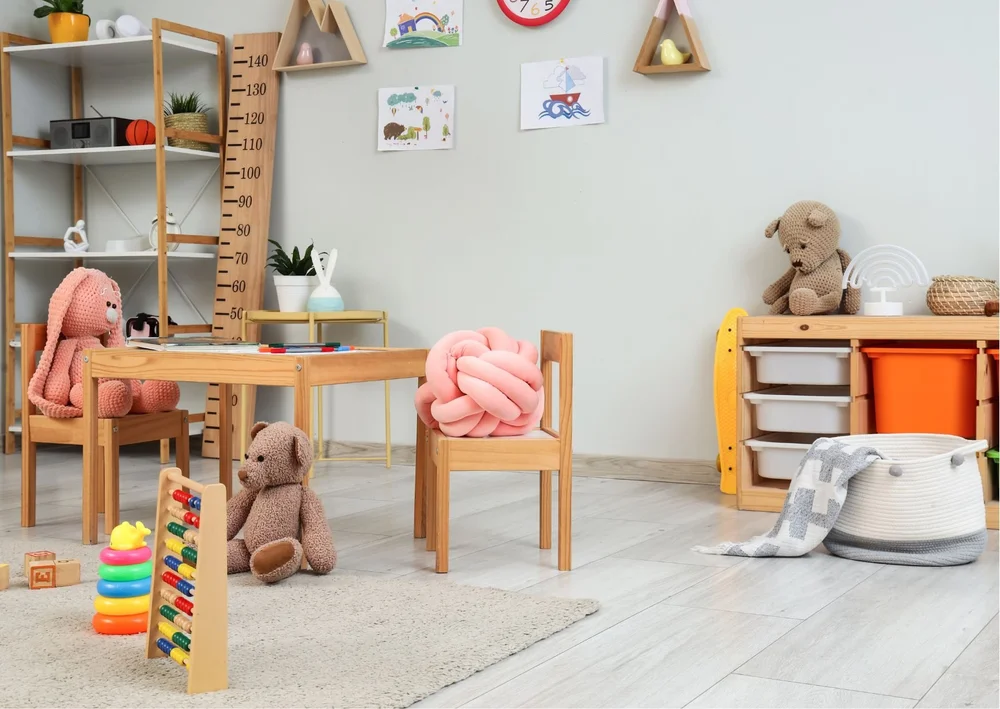
Every successful design starts with the essentials. A functional kids room should include a safe and comfortable sleep area, enough open floor space for play, and practical storage to keep things organized. These core elements form the backbone of all great Room Ideas For Kids. Without them, even the most stylish room can feel chaotic or impractical. By prioritizing these basics first, you create a space that supports daily routines and allows decor to enhance the room rather than compete with it.
Make Every Piece Earn Its Place
In a kids room, especially a smaller one, every item should serve a purpose. Thoughtful Kids Room Design Ideas focus on quality over quantity—choosing furniture and decor that are both useful and intentional. Overfilling the room with unnecessary pieces can quickly lead to clutter and reduce usable space. Instead, opt for fewer, more functional items that contribute to storage, comfort, or play. When every piece earns its place, the room feels more open, organized, and easier to maintain.
Design for Accessibility and Independence
A well-planned kids room should empower children to use and maintain their space independently. Incorporating low shelves, reachable hooks, labeled bins, and accessible storage allows kids to easily find and put away their belongings. This approach to Kids Space Design not only keeps the room tidier but also encourages responsibility and confidence. When everything is within reach, daily routines become smoother and more intuitive.
Functional Checklist for Planning the Room
Every kids room should include a dedicated sleep zone, organized storage zone, open play area, clear circulation space, and flexibility for future updates. Designing with these core zones ensures a balanced, functional layout that adapts as your child grows.
Smart Layout and Space Planning for Better Kids Room Ideas
Great Kids Room Ideas start with a smart layout. Before selecting furniture or decor, the way a room is arranged determines how functional, spacious, and comfortable it will feel. Thoughtful Kids Space Design Ideas focus on flow—how a child moves through the room, where activities happen, and how easily the space adapts over time. A well-planned layout maximizes every square foot without making the room feel crowded, which is especially important in smaller bedrooms. By separating layout strategy from styling decisions, you create a strong structural foundation that supports both everyday use and long-term flexibility. The best Child’s Room Design Ideas consider how children interact with their space, ensuring there is room to play, areas to rest, and zones that evolve as their needs change. When layout is done right, even simple Children’s Room Ideas can feel elevated, organized, and highly functional.
Leave Open Floor Space for Play
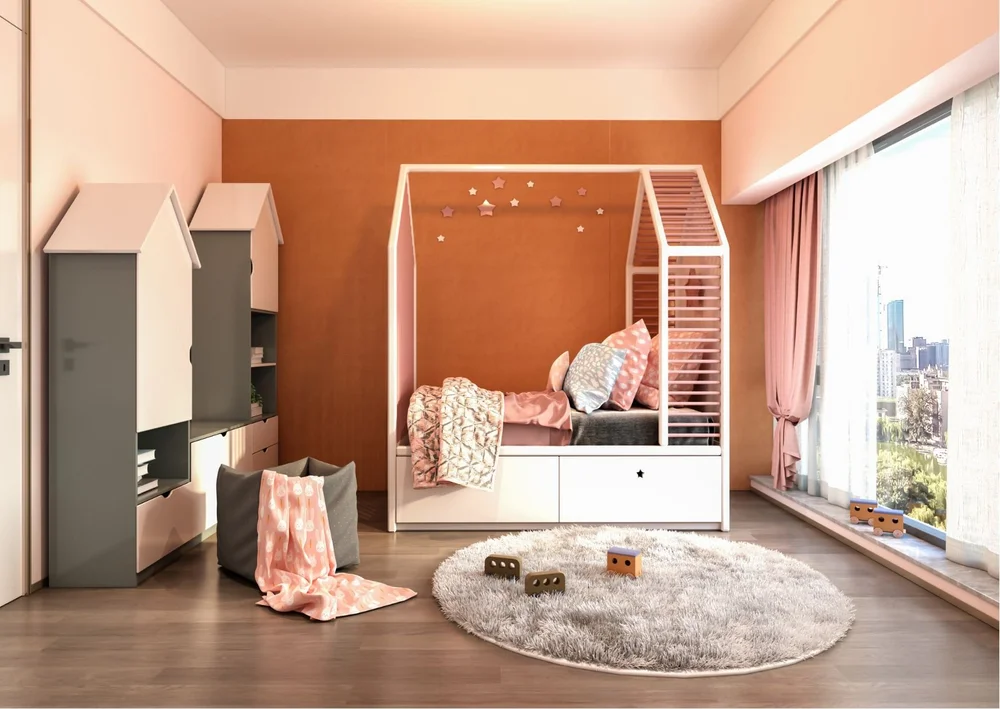
Open floor space is one of the most valuable elements in a child’s room. It gives kids the freedom to play, move, and explore without feeling restricted. Smart Kids Room Ideas prioritize this by avoiding overcrowding and placing furniture strategically along walls or in corners. Elevated solutions like bunk beds or raised beds can free up space underneath for play or storage. By preserving clear floor areas, the room becomes more flexible, making it easier to adapt as activities and interests change.
Work With the Shape of the Room
Every room has unique architectural features, and the best Children’s Room Ideas embrace them rather than fight them. Sloped ceilings, alcoves, or awkward corners can become opportunities for creative design. Low-profile beds work well under eaves, while built-in shelving or custom storage can transform unused nooks into functional areas. Bean bags, reading corners, or compact desks can fit into tighter spaces without disrupting flow. By designing around the room’s natural shape, you maximize usability while creating a more tailored and intentional layout.
Create Zones for Sleep, Play, Reading, and Study
Zoning is a key strategy in effective Kids Space Design Ideas. Dividing the room into areas for sleeping, playing, reading, and studying helps create structure without needing more space. For younger children, this might mean a cozy reading corner and a clear play area, while older kids may benefit from a dedicated desk zone. As children grow, these zones can evolve to meet new needs. Thoughtful zoning ensures the room stays organized, supports different activities, and feels purposeful at every stage.
Layout Tip for Shared Kids Rooms
For shared spaces, use bunk beds or lofted beds to save space, incorporate coordinated storage solutions, and add subtle personalization—like individual bedding or wall accents—so each child feels a sense of ownership within the same room.
Furniture That Works Harder: Multipurpose and Grow-With-Them Solutions
When it comes to smart Kids Bedroom Design Ideas, furniture plays one of the biggest roles in how functional and flexible a space feels. The best Kid’s Room Design Ideas focus on pieces that do more than one job—saving space, reducing clutter, and adapting as children grow. Instead of filling a room with separate items for every function, thoughtful Children’s Bedroom Ideas prioritize efficiency through multifunctional design. This approach is especially valuable for smaller rooms, where every square foot matters. Investing in versatile furniture not only improves daily usability but also simplifies future updates, making any Kids Room Makeover more sustainable over time. The goal is to create a room that feels open, organized, and adaptable without sacrificing comfort or style.
Choose Multipurpose Furniture First
Multipurpose furniture is the foundation of efficient Kids Bedroom Design Ideas. Pieces like cabin beds with built-in storage, ottoman toy chests that double as seating, and window seats with hidden compartments maximize functionality without adding extra bulk. Fold-out desks and modular play tables also offer flexibility, allowing the room to shift between activities throughout the day. By choosing furniture that serves multiple purposes, you reduce the need for additional pieces, helping the room stay uncluttered, practical, and visually balanced.
Use Raised, Cabin, or Bunk Beds to Save Space
Vertical design is one of the most effective strategies in Kid’s Room Design Ideas. Raised beds, cabin beds, and bunk beds free up valuable floor space by utilizing height rather than width. The area underneath can be transformed into storage, a study zone, or a cozy lounging space, making the room feel larger and more functional. For shared bedrooms, bunk beds are especially useful, allowing two sleeping areas within the footprint of one. This approach keeps the layout efficient while maintaining comfort and usability.
Keep Furniture Proportional to the Child and the Room
Choosing furniture that matches both the child’s size and the room’s scale is essential for balanced Children’s Bedroom Ideas. Oversized beds, bulky wardrobes, or large dressers can overwhelm a space and limit movement. Smaller, well-proportioned pieces create a lighter, more open feel while leaving room for play and flexibility. Child-friendly sizing also makes it easier for kids to interact with their environment, supporting independence and everyday use.
Think Long-Term With Flexible Pieces
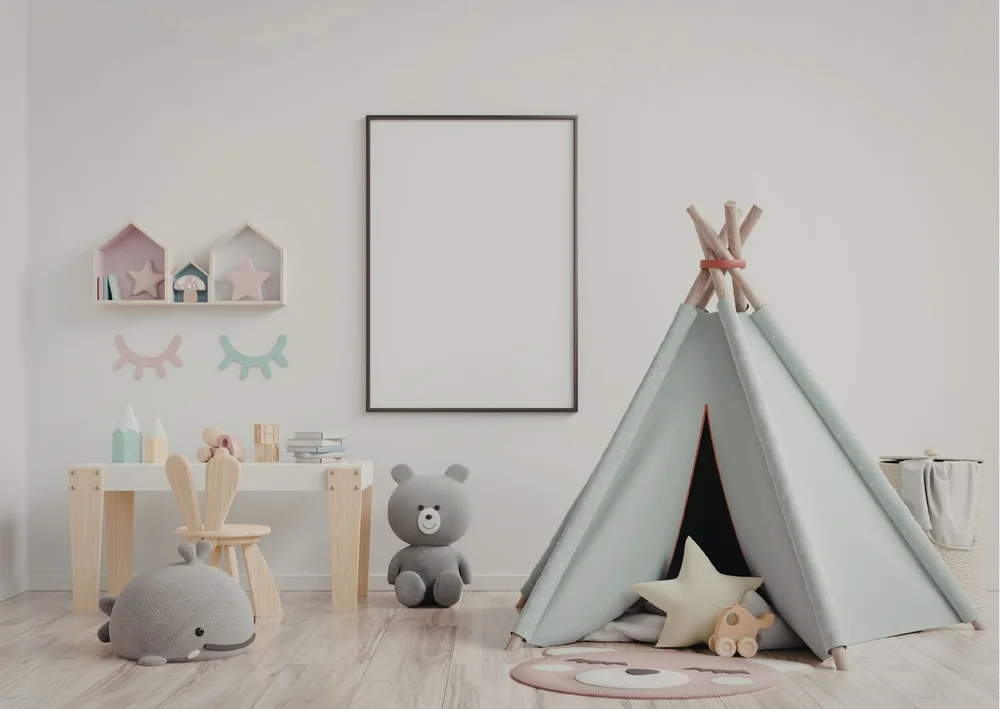
The best Kids Room Makeover decisions consider the future. Furniture that can adapt—such as extendable beds, adjustable desks, or modular storage—grows with the child and reduces the need for frequent replacements. This long-term approach saves time, money, and effort while keeping the room functional at every stage.
Storage-Driven Children’s Room Design Ideas That Keep Spaces Calm
Smart storage is one of the most important elements in successful Children’s Room Design Ideas. No matter how beautiful a room looks, it will quickly feel chaotic without systems to manage toys, books, clothes, and everyday essentials. Thoughtful storage doesn’t just keep things organized—it directly impacts how calm, functional, and enjoyable the space feels. The best Kids Room Decor and Kids Room Styling Ideas integrate storage seamlessly into the design, so it enhances the room rather than feeling like an afterthought. By approaching storage as its own strategy—separate from layout and furniture—you create a foundation that supports both play and relaxation. Well-planned Room Decor Ideas For Kids focus on reducing visual clutter, improving accessibility, and making cleanup easier for children, which ultimately leads to a more peaceful and balanced environment.
Use Vertical Storage to Free the Floor
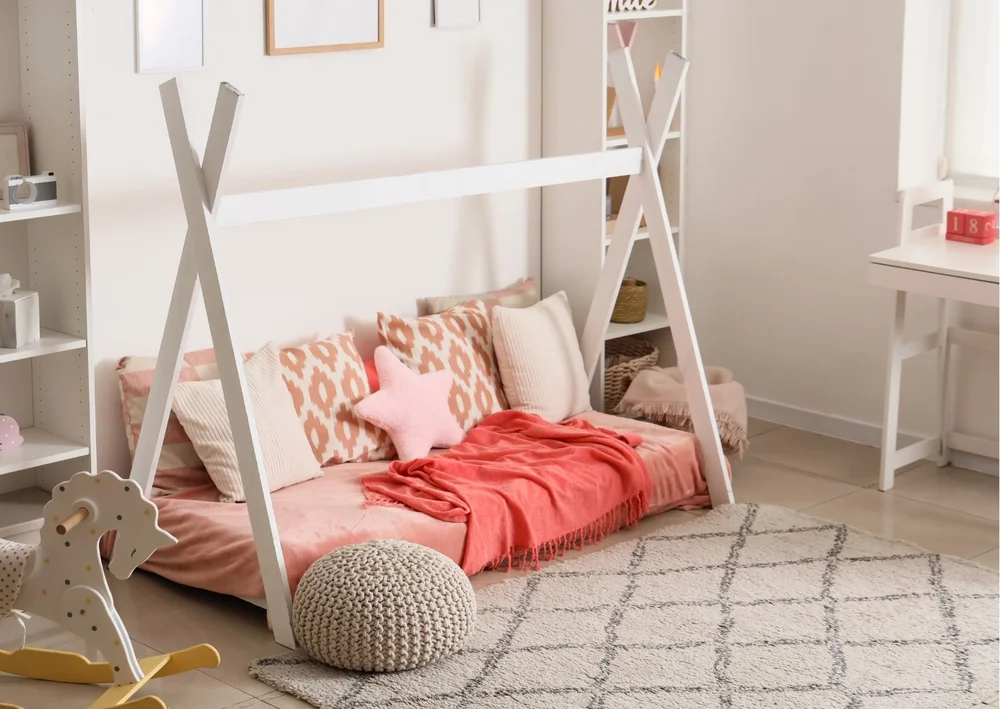
One of the most effective ways to maximize space is by thinking vertically. Wall-mounted shelves, peg rails, hooks, and full-height storage units lift items off the floor and create more usable space below. This approach is especially valuable in smaller rooms, where every inch counts. Vertical storage not only makes the room feel larger but also keeps frequently used items within reach without overcrowding the space. By utilizing walls efficiently, you maintain a cleaner layout while improving overall functionality.
Add Under-Bed Storage, Baskets, and Toy Chests
Hidden and flexible storage solutions are essential in Kids Room Styling Ideas. Under-bed drawers, rolling bins, and low-profile storage boxes make use of otherwise wasted space while keeping items easily accessible. Colorful baskets and toy chests add both function and personality, helping organize toys, books, and seasonal items. Concealed storage options also allow the room to look tidy even when it’s fully in use. These solutions strike a balance between practicality and design, making everyday organization simple and efficient.
Rotate Toys and Declutter Regularly
Too many toys in one space can quickly overwhelm both the room and the child. Rotating toys—keeping only a selection available at a time—helps reduce clutter and creates a more focused, calming environment. This strategy not only makes the room feel more spacious but also encourages deeper, more intentional play. Regular decluttering ensures that only relevant items remain in the room, making it easier to maintain organization and preventing buildup over time.
Hide Visual Clutter at Bedtime
Transitioning from playtime to bedtime is easier when visual distractions are minimized. Using curtains, cabinets, or enclosed shelving to hide toys and books helps create a calmer atmosphere in the evening. This simple shift allows the room to feel more restful, supporting better sleep and a clearer separation between activity and relaxation.
Color, Pattern, and Materials in Stylish Kids Room Design
Color, pattern, and materials are where Colorful Kids Room Design truly comes to life. Once the functional foundation is in place, these surface elements define the mood, personality, and visual identity of the space. The best Colorful Kids Room Ideas strike a careful balance—creating a room that feels playful and expressive without becoming overwhelming. Thoughtful layering of tones, textures, and finishes allows the room to feel dynamic while still maintaining a sense of calm. Elevated Stylish Kids Room Design goes beyond bright colors alone; it incorporates intentional materials, subtle contrast, and curated details that make the space feel cohesive and timeless. When done right, these design choices transform everyday rooms into inspiring environments that feel both fun for kids and visually refined for the home.
Use Color to Add Personality Without Losing Balance
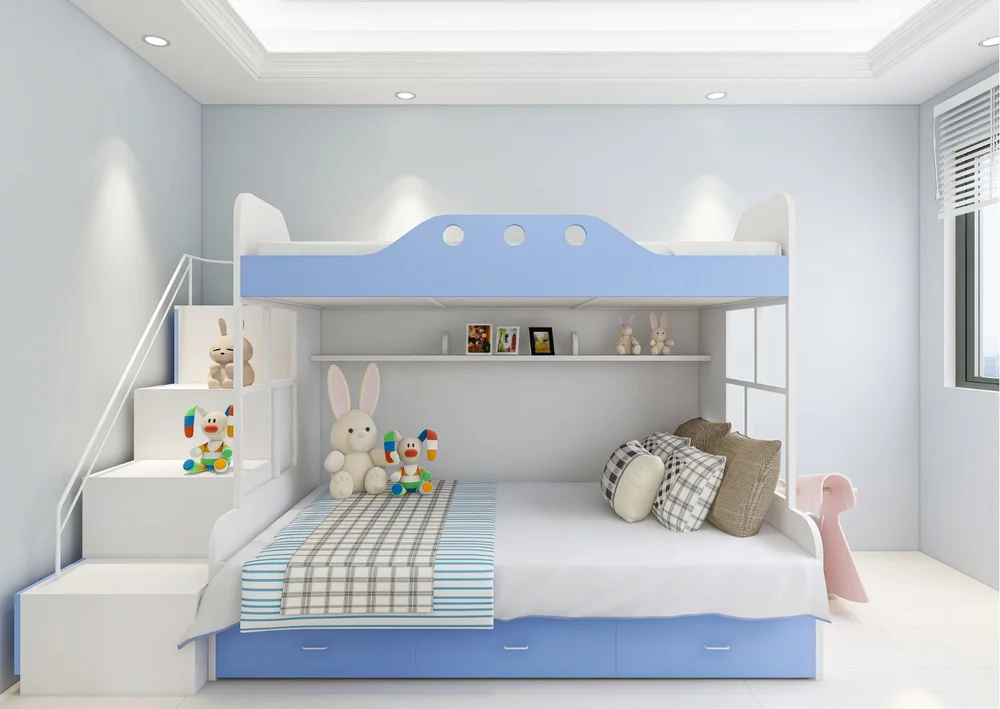
Color is one of the easiest ways to bring personality into Stylish Kids Room Ideas, but it should be used strategically. Starting with a light, neutral base—such as soft whites, beiges, or pastels—helps the room feel open and adaptable. From there, pops of color can be introduced through bedding, rugs, wall art, or painted furniture. This layered approach keeps the space visually interesting without overwhelming it. By balancing bold accents with a calm foundation, you create a room that feels playful, cohesive, and easy to update over time.
Let the Child’s Response to Color Guide the Scheme
Every child responds differently to color, so there is no single “right” palette for a kids room. Some children may feel energized by bright hues, while others respond better to softer, calming tones. Thoughtful Colorful Kids Room Design considers the child’s personality and preferences, creating a space that feels comfortable and engaging for them. Involving children in small design decisions can also help them feel more connected to their environment.
Add Warmth Through Texture and Layering
Beyond color, texture plays a key role in creating a more elevated and inviting space. Layering materials—such as woven headboards, soft textiles, drapery, and patterned wallpaper—adds depth and warmth to Stylish Kids Room Design. Inspired by high-end interiors, combining natural textures with playful elements allows the room to feel both sophisticated and child-friendly. Elements like quilts, layered bedding, and tactile decor create a cozy environment while maintaining a polished, well-designed look.
Flooring, Rugs, and Pattern Placement
Light flooring can make a room feel larger and brighter, while durable finishes ensure practicality. Large rugs add softness and define play areas, and limiting bold wallpaper or patterns to one feature wall helps maintain visual balance without overwhelming the space.
Kids Room Decor and Styling Ideas for Different Ages
Great Kids Room Styles evolve as children grow, which is why age-based design is an essential part of thoughtful planning. Instead of creating a room that quickly feels outdated, the best Kids Room Styling Ideas adapt to changing needs, interests, and routines. From early childhood to the teenage years, each stage requires a different balance of comfort, function, and personality. Strong Children’s Design Ideas focus on creating a flexible foundation while layering in age-appropriate details that can be updated over time. By aligning Bedroom Design Ideas with developmental stages, you create a space that not only looks good but also supports how children live, learn, and grow.
Nursery to Early Childhood
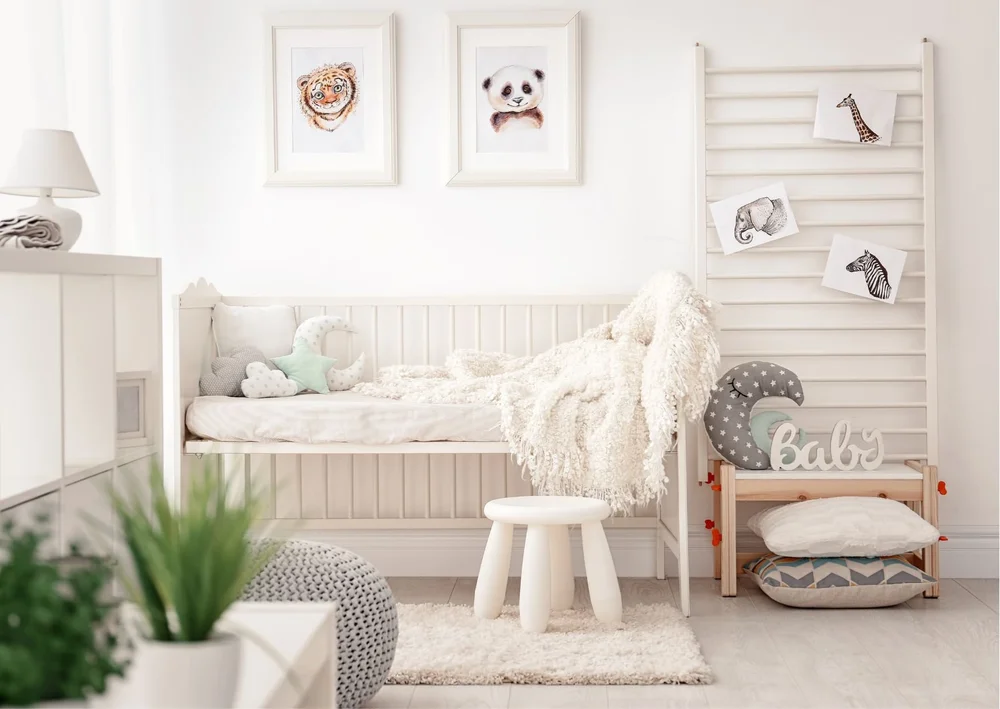
In the early years, Kids Room Styling Ideas should prioritize safety, comfort, and simplicity. Soft materials, rounded furniture edges, and calming colors help create a secure environment. Low, accessible storage encourages early independence, allowing children to interact with their space safely. Open floor space is also key for movement and play. At this stage, design should feel gentle and functional, with room to grow as needs quickly change.
Elementary Age Kids
As children grow, their room becomes more interactive and expressive. Kids Room Styles for this stage often include reading corners, rotating toy storage, and designated areas for creativity. Displaying artwork or collections adds a personal touch, while playful colors and patterns bring energy into the space. Organization becomes more important, so incorporating labeled bins and accessible shelving helps maintain order while supporting independence and daily routines.
Tweens and Beyond
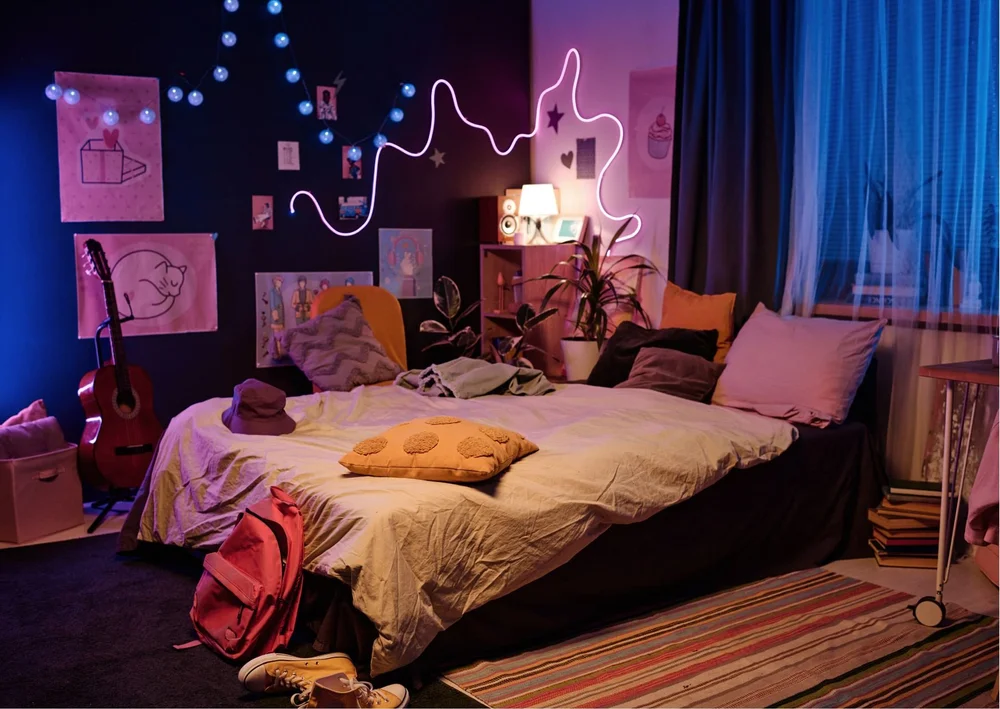
For older kids and tweens, design shifts toward functionality and a more refined aesthetic. Bedroom Design Ideas at this stage often include a dedicated desk or study area, adaptable storage for growing wardrobes, and a more cohesive color palette. Themes become less prominent, replaced by subtle styling choices that reflect evolving tastes. Designing flexible zones—such as study nooks or lounge areas—ensures the room continues to meet changing needs over time.
Conclusion: The Best Kids Room Design Ideas Balance Beauty and Real Life
The most successful Kids Room Design Ideas are not defined by how much decor fills the space, but by how well the room supports everyday life. A thoughtfully designed children’s room should feel easy to live in—where routines flow naturally, play feels unrestricted, and organization doesn’t require constant effort. The strongest approach to Children’s Room Decor combines practical layout, smart furniture choices, accessible storage, and intentional use of color to create a space that feels both functional and inspiring.
Great Kids Bedroom Ideas focus on balance. Instead of overdesigning, they prioritize what truly matters: open space for movement, furniture that adapts, storage that simplifies cleanup, and details that reflect the child’s personality. Layering in evolving elements—like bedding, artwork, and accessories—allows the room to grow without needing a complete redesign.
Ultimately, Stylish Kids Room Design is about creating a space that works in real life, not just in photos. When beauty and function are aligned, the result is a room that feels calm, creative, and effortlessly livable for years to come.
FAQ: Kids Room Design Ideas
What are the best kids room design ideas for small spaces?
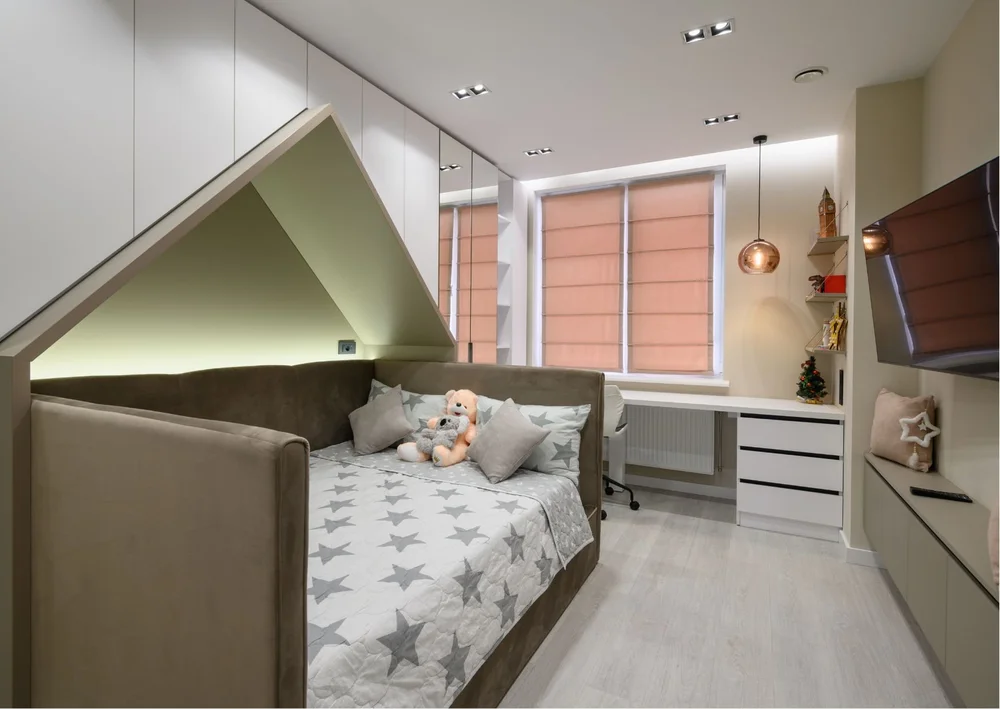
The most effective Kids Room Design Ideas for small spaces focus on maximizing function without overcrowding. Start with multipurpose furniture like storage beds or fold-out desks to reduce the number of pieces in the room. Use vertical storage—such as shelves, hooks, and peg rails—to free up valuable floor space. Lighter color palettes can make the room feel more open, while under-bed storage helps utilize hidden areas. Keeping decor minimal and intentional ensures the space feels organized, breathable, and easy to maintain.
How can I make a child’s room look stylish and still be practical?
Creating a balance between style and function starts with a strong foundation. Use timeless finishes and neutral tones as a base, then layer in texture through rugs, bedding, and curtains to elevate the space. Incorporate storage-forward furniture that keeps clutter out of sight while maintaining a clean look. From there, add personality through art, playful accents, and decor that reflects the child’s interests. The best Stylish Kids Room Design blends everyday usability with thoughtful visual details.
What colors work best for children’s room design ideas?
There is no single perfect palette for all Children’s Room Design Ideas. Light and neutral tones are often used as a base because they make the room feel larger and more adaptable. From there, accent colors can be introduced through decor, textiles, or painted features. Some children respond well to bold, energetic colors, while others prefer softer, calming shades. The key is to choose a palette that reflects the child’s personality while maintaining overall balance in the room.
How do I design a kids bedroom that can grow with my child?
Designing with longevity in mind is essential for functional Kids Bedroom Ideas. Start with adaptable furniture such as extendable beds, modular storage, or adjustable desks. Use neutral or timeless finishes for larger elements, then incorporate personality through easily changeable details like bedding, wall art, and decor. Creating flexible zones for sleep, play, reading, and study ensures the room can evolve naturally as the child’s needs change over time.
What storage solutions work best in a kids room?
The best storage solutions combine accessibility with efficiency. Under-bed drawers, rolling bins, and built-in storage maximize unused space, while wall hooks and shelves keep items off the floor. Baskets and labeled bins make it easier for children to stay organized, and picture ledges can double as display and storage. Concealed storage, like cabinets or curtained shelves, helps reduce visual clutter and maintain a calm environment within the room.
How do I decorate a shared kids room without making it feel crowded?
When designing a shared space, efficiency and cohesion are key. Bunk beds or lofted beds help save floor space, while coordinated storage keeps the room organized. Use a unified base palette to create visual harmony, then add subtle personalization—such as different bedding, wall art, or small decor accents—for each child. This approach allows individuality without overwhelming the space or making it feel cluttered.
What are easy kids room makeover ideas on a budget?
A Kids Room Makeover doesn’t require a full renovation to make an impact. Fresh paint is one of the most effective and affordable updates, instantly changing the look and feel of the space. Rotating toys, updating rugs or bedding, and improving storage with bins or baskets can also make a big difference. Rearranging furniture to improve layout and flow is another simple yet powerful way to refresh the room without additional cost.
How do I balance fun kids room ideas with long-term design?
The key to balancing creativity with longevity is to keep permanent elements timeless and use flexible layers for expression. Furniture, flooring, and wall colors should be relatively neutral and durable, while fun themes can be introduced through bedding, wall decals, artwork, and accessories. This allows you to update the room easily as interests change, ensuring the space remains both engaging and practical over time.
source https://www.hkbinteriordesign.com/blog/kids-room-design-ideas-that-balance-style-storage-and-play